Parents of Neurodivergent Children: Pain Points
Parents of neurodivergent children, such as those with autism, ADHD, sensory processing differences or other developmental conditions, face unique challenges. Here are some common pain points we have taken into consideration when designing Inner Harmony Haven.

Navigating Healthcare and Diagnoses
- Delayed Diagnosis: Many parents face long wait times for evaluations and diagnoses, leading to delays in accessing appropriate services.
- Misunderstandings or Misdiagnoses: In some cases, children may not be diagnosed properly or early enough, which can result in misinformed decisions about treatment and support.
- Overwhelming Information: Parents often have to sift through vast amounts of conflicting information to understand their child's needs and the best course of action.
Read on the blog:
Access to Resources and Support
- Limited Access to Services: Inadequate access to special education, therapy services and other resources can be a significant hurdle, especially in rural or underfunded areas.
- Financial Strain: The cost of therapy, treatments and educational support can be expensive, and many families struggle to afford it.
- Inadequate School Support: Public schools may lack the resources or training to effectively support neurodivergent children, leading to frustration and the need for parents to advocate for their child's needs.
Social Stigma and Misunderstanding
- Judgment from Others: Parents often face judgment from others who may not understand or recognise neurodivergence. This can lead to feelings of isolation, guilt or frustration.
- Lack of Empathy or Support: People may mistakenly assume that neurodivergent behaviours are just "bad behaviour" or "lack of discipline" instead of recognising them as part of the child's neurodivergent condition.
Emotional and Mental Health Strain
- Stress and Anxiety: Constantly managing the needs of a neurodivergent child can lead to burnout, stress and anxiety for parents. They may worry about their child's future, independence and wellbeing.
- Feelings of Isolation: Many parents report feeling isolated, especially if they don't have a strong support system or community that understands their child's needs.
- Guilt and Self-Blame: Parents sometimes blame themselves for their child's challenges, feeling like they may have missed signs early on or made the "wrong" choices in their child's care.
Read on the blog:
Behaviour and Communication Challenges
- Difficulty with Communication: Some neurodivergent children may have trouble expressing themselves, which can lead to frustration for both the child and parent. Non-verbal or limited verbal communication can make understanding needs and providing support difficult.
- Managing Challenging Behaviours: Parents of children with neurodivergent conditions often have to navigate challenging behaviours, such as meltdowns, aggression or difficulty with transitions. This can be exhausting and difficult to manage in public settings.
- Social Challenges: Helping a child navigate social situations, make friends or understand social cues can be challenging, leaving parents feeling uncertain about how to support their child in social environments.
Read on the blog:
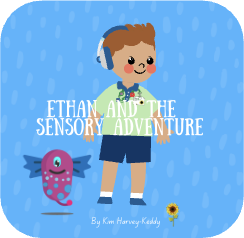
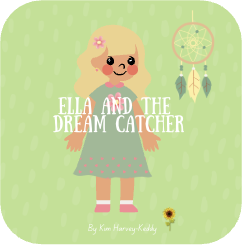
Books that may help:
Balancing Daily Life and Caregiving
- Time Management: The need to attend appointments, therapies and other services can make it hard to balance work, family and personal time.
- Overprotectiveness vs. Encouraging Independence: Parents may struggle with finding the right balance between protecting their child and fostering independence, as the child may need extra support in certain areas of life.
- Lack of Sleep and Exhaustion: Many parents report sleep disruptions due to their child's neurodivergent needs, which can cause fatigue and make daily functioning harder.
Long-Term Planning and Advocacy
- Planning for the Future: Parents worry about how their child will transition into adulthood, including issues such as employment, independent living and financial stability.
- Advocacy: Parents often become advocates for their child's needs, whether it's at school, in medical settings or in public spaces, which can be emotionally taxing.
Read on the blog:
Interpersonal and Relationship Strains
- Relationships with Partners: The stresses of caring for a neurodivergent child can put a strain on relationships, sometimes leading to disagreements or feelings of being unsupported.
- Family Dynamics: Extended family members may not always understand the needs of the child, leading to tensions or lack of support from relatives.