

Auditory Processing
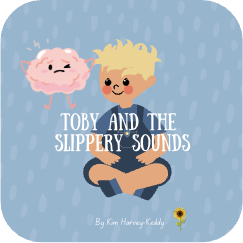
Toby and the Slippery Sounds
In Toby and the Slippery Sounds, readers follow a relatable and empowering journey that reflects the real experiences of children with APD.
Parent Notes
Dear Parents and Carers, Auditory Processing Disorder (APD) affects how the brain interprets sounds, particularly speech. Children with APD may have typical hearing but find it difficult to process verbal information, especially in noisy environments or when multiple instructions are given quickly. In Toby and the Slippery Sounds, readers follow a relatable and empowering journey that reflects the real experiences of children with APD. The story gently explores common challenges such as delayed responses, difficulty following directions, and the pressure to answer quickly. These are presented through Toby's eyes, offering insight, empathy, and humour.
This book aims to: Normalise the lived experience of children with APD. Model supportive peer and family relationships. Introduce affirming strategies children can use in real-life settings. Foster self-advocacy and communication confidence. Reassure children that their brains are not broken they just process differently.
The story also introduces discreet cues, like Toby touching his temple, as a respectful way to signal when more time is needed, helping children feel more in control during communication challenges. We encourage you to read this book together, pause for discussion, and reflect on which strategies feel helpful for your child. Every child's brain is different and with the right tools, understanding, and support, they can thrive.
Strategic Toolkit
Slippery Sounds Strategic Toolkit
The strategies in this toolkit were designed to give children with Auditory Processing Disorder (APD) practical ways to feel confident, supported, and understood in everyday life. Each tool reflects ideas Toby explores in the story: breaking tasks into steps, using visuals, taking extra time, and finding their voice. These strategies can be practised at home, school, or in the community, helping children build independence while also encouraging friends, teachers, and family members to listen with patience and care.
- Repeating or paraphrasing to check understanding.
- Play a "Tell it Back" game: you say a sentence, and the child repeats it in their own words.
- Encourage children to repeat back instructions in their own words: "Just checking, do we do pages 3 to 6?"
- Use storybooks: read a short section and have the child retell it in one or two sentences.
Plus 5 to 7 pages of tools inside the book
You might also find helpful
Our books share ideas, stories and strategies that may help support your child's emotional wellbeing. They are not a replacement for professional medical, psychological or therapeutic advice. If you have concerns about your child's development or wellbeing, please speak with a qualified healthcare or mental health professional.