

Insomnia
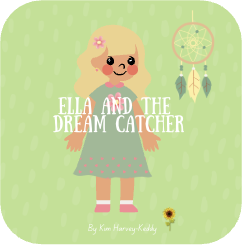
Ella and the Dream Catcher
"Ella and the Dream Catcher" is designed to open up gentle conversations about sleep struggles and empower children by offering soothing strategies through storytelling.
Parent Notes
Dear Parents and Caregivers, It's common for children to experience sleep challenges, including trouble falling asleep (onset insomnia) or staying asleep through the night. "Ella and the Dream Catcher" is designed to open up gentle conversations about sleep struggles and empower children by offering soothing strategies through storytelling. Ella's journey models self-awareness, resilience, and the importance of family support, all essential elements in helping children feel safe and secure at bedtime.
Strategic Toolkit
Sleep Support Strategic Toolkit (Sleep Support for Little Dreamers)
The following toolkit complements the strategies used in the story and provides practical ways for families to create a supportive, emotion-friendly environment at home. Sleep support for little dreamers are strategies inspired by Ella's story that families can adapt for their own routines.
- Create a predictable routine with a visual bedtime chart of calming activities.
- Turn off screens and dim the lights an hour before bed.
- Quiet, calming activities like drawing, reading or puzzles.
- A comfort object, a special toy or blanket, can provide emotional security.
Plus 5 to 7 pages of tools inside the book
As you read together, you might
Share the story in a calm setting before bed. Pause and reflect: Ask your child how Ella felt and what helped her relax. Try the strategies: Incorporate some of Ella's tools into your own nighttime routine. Validate emotions: Let your child know it's okay to have trouble sleeping and that they're not alone.
You might also find helpful


Our books share ideas, stories and strategies that may help support your child's emotional wellbeing. They are not a replacement for professional medical, psychological or therapeutic advice. If you have concerns about your child's development or wellbeing, please speak with a qualified healthcare or mental health professional.